
GIF invests in Mafisa to transform rural livestock markets and increase incomes for smallholder farmers in Zambia.
Nov 10, 2026
The Global Innovation Fund is pleased to announce a follow-on Transition to Scale grant funding to Mafisa, building on an initial partnership established in 2024. The investment will focus on strengthening regional livestock processing capacity and developing a viable market aggregation model, connecting smallholder cattle farmers in Western Zambia to formal markets. By addressing these critical gaps, the investment aims to translate productivity gains from Mafisa' existing package of support to livestock farmers into higher, more predictable and sustainable household incomes.
Livestock is central to Zambia’s rural economy, contributing roughly 42% of agricultural GDP and supporting over two million people across traditional pastoralist communities. In Western Province, however, extreme geographic remoteness, weak infrastructure, and fragmented markets have historically locked producers out of the formal economy. Without transparent commercial outlets, pastoralists face erratic price fluctuations and are routinely forced into distress sales well below prevailing national rates.
Addressing key livestock market failures
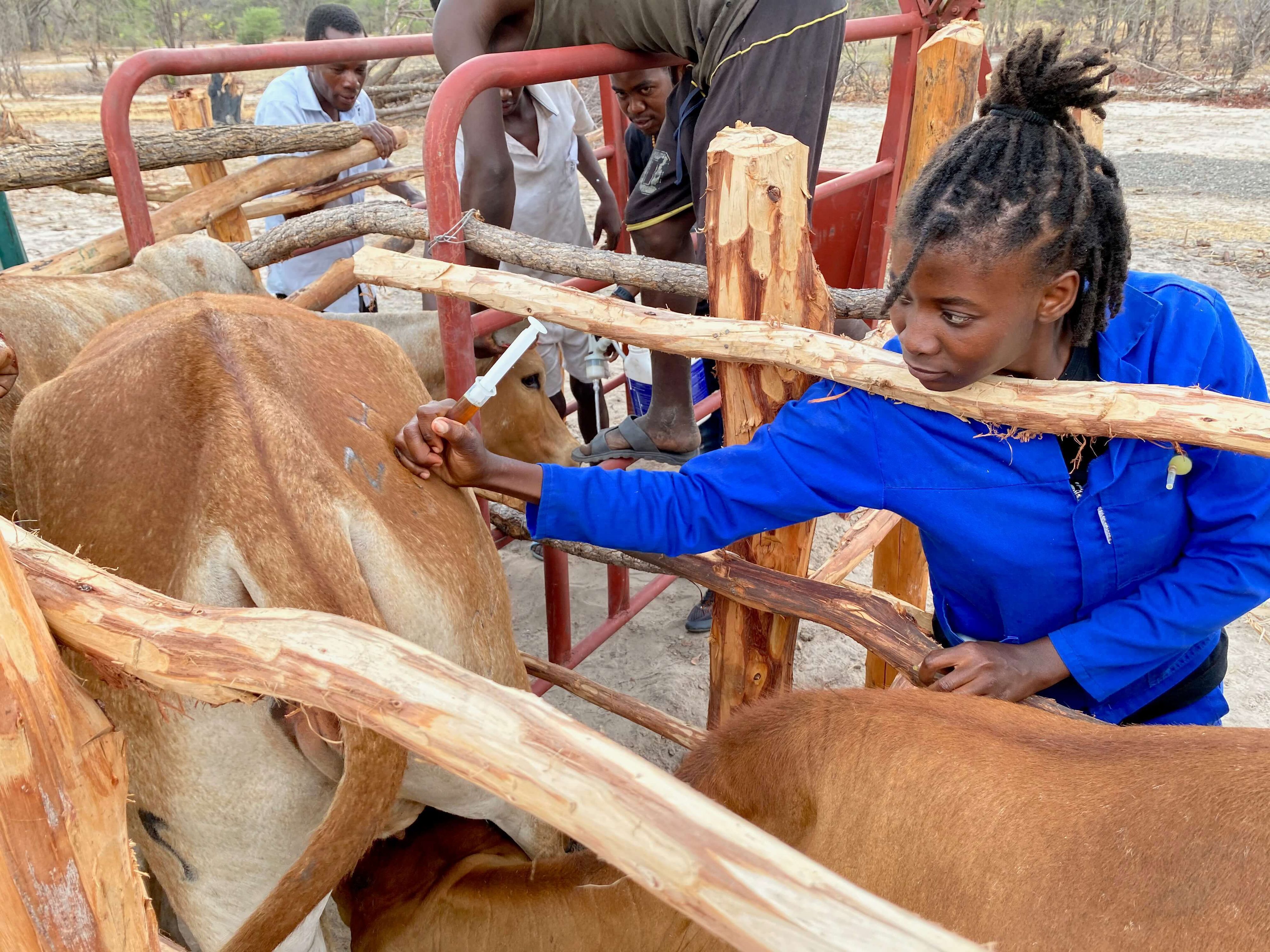
Mafisa addresses these systemic market failures through an integrated operational model combining veterinary and animal health services, regenerative rangeland management, and critical water infrastructure. To date, Mafisa has deployed its model across 400,000 hectares, reaching approximately 4,000 farmers and 79,000 cattle.
GIF’s initial 2024 funding focused on strengthening Mafisa’s operating procedures, establishing rigorous Monitoring, Evaluation, and Learning (MEL) frameworks, and improving business plans, paving the way for scaling operations. Early evidence demonstrates substantial gains from Mafisa’s model: a 2025 internal survey of 1,212 participating farmers revealed a 52% reduction in herd mortality and an increase in calving rates from 39% to 50%.
Yet on-the-ground gains in herd health revealed a secondary structural bottleneck: productivity alone cannot generate sustained and predictable incomes without reliable, high-volume offtake.

Laying the foundations for an inclusive livestock market that can deliver sustained incomes
To bridge this divide, Mafisa piloted an aggregated sales model with a commercial beef processor. The pilot demonstrated early commercial interest, while participating farmers doubled their average cattle sale prices, mostly attributable to improved cattle quality. However, it also highlighted the need to aggregate larger volumes of cattle and strengthen regional processing capacity to make the model viable at scale.
GIF’s new capital commitment tackles this barrier head-on. The grant will strengthen regional livestock processing capacity, help develop a viable market aggregation model, and connect smallholder cattle farmers in Western Zambia to formal markets. By addressing these critical gaps, the investment aims to translate productivity gains into higher, more predictable and sustainable household incomes.
At full scale, consolidating supply could structurally shift bargaining leverage into the hands of smallholders, transitioning the region’s trade from a distress-driven cycle into a formalized, farmer-led market.
Shreya Das, Investment Director at the Global Innovation Fund, said:
“Mafisa exemplifies GIF’s Test and Transition approach: using data to demonstrate what works, identifying the structural barriers to scale, and deploying targeted catalytic capital to address them. By connecting smallholder livestock farmers to formal markets, this next phase seeks to translate the gains from animal health interventions into sustained economic opportunities for rural communities.”
Charlotte Scott, CEO/Founder at Mafisa, said:
“Smallholder cattle farmers in Western Zambia manage valuable assets, but without market access, that value remains trapped. GIF’s continued partnership allows us to build the processing backbone needed to underpin farmers’ access to markets, ensuring communities capture the true economic return of healthier, more productive herds.”